Starting Thursday, July 2 — Sessions meet Thursdays at two times: 12:00 PM – 1:30 PM and 8:00 PM – 9:30 PM EDT. One registration covers either time slot — attend whichever works for you.
I’ll be leading a group through my Feminist Romp Through the History of Philosophy. We’ll use the Re-Reading the Canon series (edited by Nancy Tuana for Penn State Press) to pair (mostly) dead white men with the feminist thinkers who talked back.
Led by Mona Mona — PhD in Philosophy from Stony Brook University, with over a decade of teaching experience at the intersection of phenomenology, feminist philosophy, and the history of Western philosophy.
What’s included
- 6 live online sessions, Thursdays July 2 – August 20
- Two time slots per session — attend either (12:00 PM or 8:00 PM EDT)
- Suggested readings provided to all registrants in advance
- Most texts drawn from the Re-Reading the Canon series (Penn State Press)
Registration is currently closed. Leave your email and I’ll let you know when the next Feminist Romp is set to begin in the Spring.
Schedule
All times EDT (UTC−4) — 12:00 PM EDT = 5:00 PM BST / 6:00 PM CEST / 9:30 PM IST · 8:00 PM EDT = 1:00 AM BST / 2:00 AM CEST / 5:30 AM IST (+1 day)
Ancient Philosophy
12:00 PM – 1:30 PM & 8:00 PM – 9:30 PM EDT
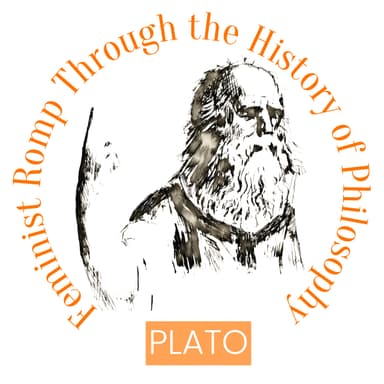
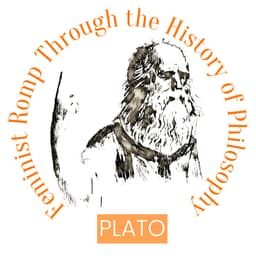
In Book V of The Republic, Plato argues for the inclusion of women in all the classes of his ideal polis. According to Plato, Socrates’ teacher was a woman, and Socrates attributes his knowledge of love to a woman, Diotima. Were Plato and Socrates feminist? (Spoiler alert: nope!) Elizabeth Spelman, Page duBois, and Luce Irigaray help us sort it out.
“Hairy Cobblers and Philosopher-Queens” by Elizabeth Spelman
“The Platonic Appropriation of Reproduction” by Page duBois
“Sorcerer Love: A Reading of Plato’s Symposium, Diotima’s Speech” by Luce Irigaray
All essays in Feminist Interpretations of Plato, ed. Nancy Tuana. We will be referring to original works by Plato collected in Complete Works, ed. John M. Cooper. Readings made available to registrants.
12:00 PM – 1:30 PM & 8:00 PM – 9:30 PM EDT
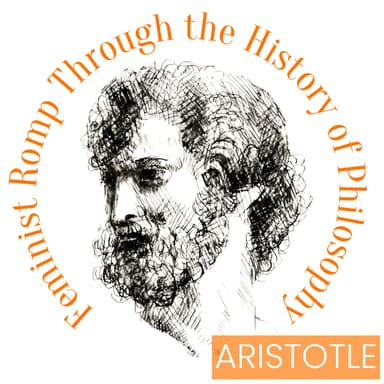
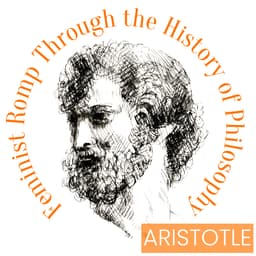
Yes, he was wrong on the biology and thought women were “under-cooked” men — but did you know his key concepts of “form” and “matter” are gendered too? We’ll look at the physics and metaphysics of gender with the help of Nancy Tuana, Julie K. Ward, and Judith Butler.
Readings announced 2 weeks before each session and sent to all registrants.
Early and Late Modern Philosophy
12:00 PM – 1:30 PM & 8:00 PM – 9:30 PM EDT
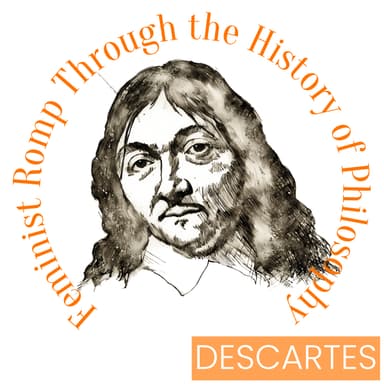
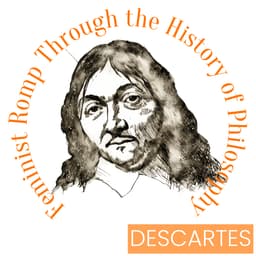
The mind/body dualism at the heart of Modern Philosophy relegates women to material immanence (body), but did you know Descartes’ main interlocutor was a woman, Princess Elisabeth of Bohemia? We’ll look at the feminist recovery of their letters, and feminist critiques of objectivity and dualism with Susan Bordo and Genevieve Lloyd.
Readings announced 2 weeks before each session and sent to all registrants.
12:00 PM – 1:30 PM & 8:00 PM – 9:30 PM EDT
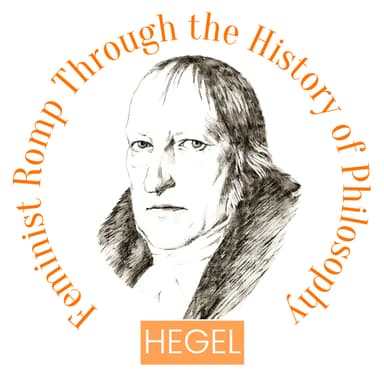
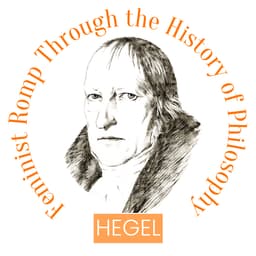
In the tradition of “let’s spit on Hegel,” we’ll take a fresh look at Carla Lonzi’s essay as well as Hegel’s reading of Antigone as fertile ground for feminist interventions. Patricia Jagentowicz Mills, Carla Lonzi, and Naomi Schor lead the way.
Readings announced 2 weeks before each session and sent to all registrants.
Existential Phenomenology
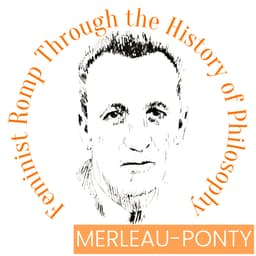
12:00 PM – 1:30 PM & 8:00 PM – 9:30 PM EDT
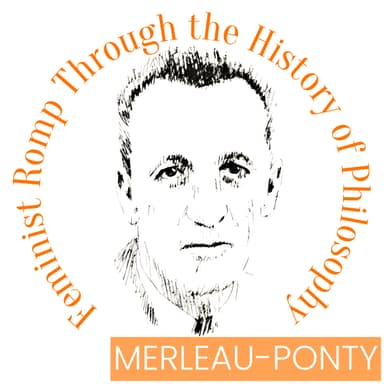
Embodiment. A treasure to feminists everywhere. Boring to read, but one of the most exciting thinkers for feminism. Dorothea Olkowski and Gail Weiss lead the way.
Readings announced 2 weeks before each session and sent to all registrants.
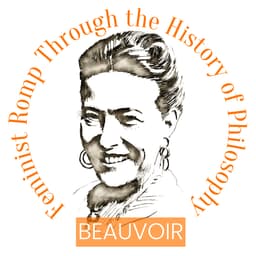
12:00 PM – 1:30 PM & 8:00 PM – 9:30 PM EDT
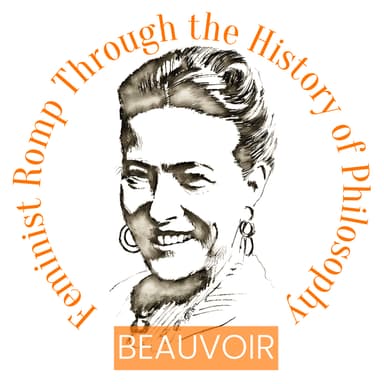
She came late to feminism, and had some … quirks. What do later feminists think of her work? Margaret Simons will help us sort it out with the help of Debra Bergoffen, Michele Le Doeuff, and Jo-Ann Pilardi.
Readings announced 2 weeks before each session and sent to all registrants.
Registration is currently closed. Leave your email and I’ll let you know when the next Feminist Romp is set to begin in the Spring.
Questions? hello (at) philosophypublics.com
About Mona Mona

Mona Mona holds a PhD in Philosophy from Stony Brook University, a top Continental Philosophy program, and has over a decade of teaching experience. She works at the intersection of phenomenology, feminist philosophy, and the history of Western Philosophy.
Long before “content” was a thing, Mona was organizing philosophy salons, running feminist reading groups, and hosting a philosophy podcast. She is the creator of Feminist Works, a weekly roundup of feminist writing, and writes at Philosophy Publics, where she brings philosophical frames of thinking to contemporary life.